The reason I haven’t posted in the last week was because my backpack got left behind in Florida. It contained my iPad, my visas, 1/2 my money and my camera. Yes, it was 100% my fault. So out of character for me but I dropped the backpack on the back of the golf cart and the backpack was the same color. Any how, Andy Laskowsky went to my house and copied all my visas allowing us to get into Rwanda and Kenya. There were a few hickups because they had trouble taking digital copies rather than hard copies but all worked out. Cindy Bloecher was coming on the main Kenya trip so she brought 1/2 my money, my camera , iPad and the “Bible” I need for every trip.
So, one would think that this would be enough drama for one trip. Absolutely not! I woke up on Friday morning in Rwanda with a red face. Originally I thought it was sunburn but that did’t make any sense considering where I was the previous day.
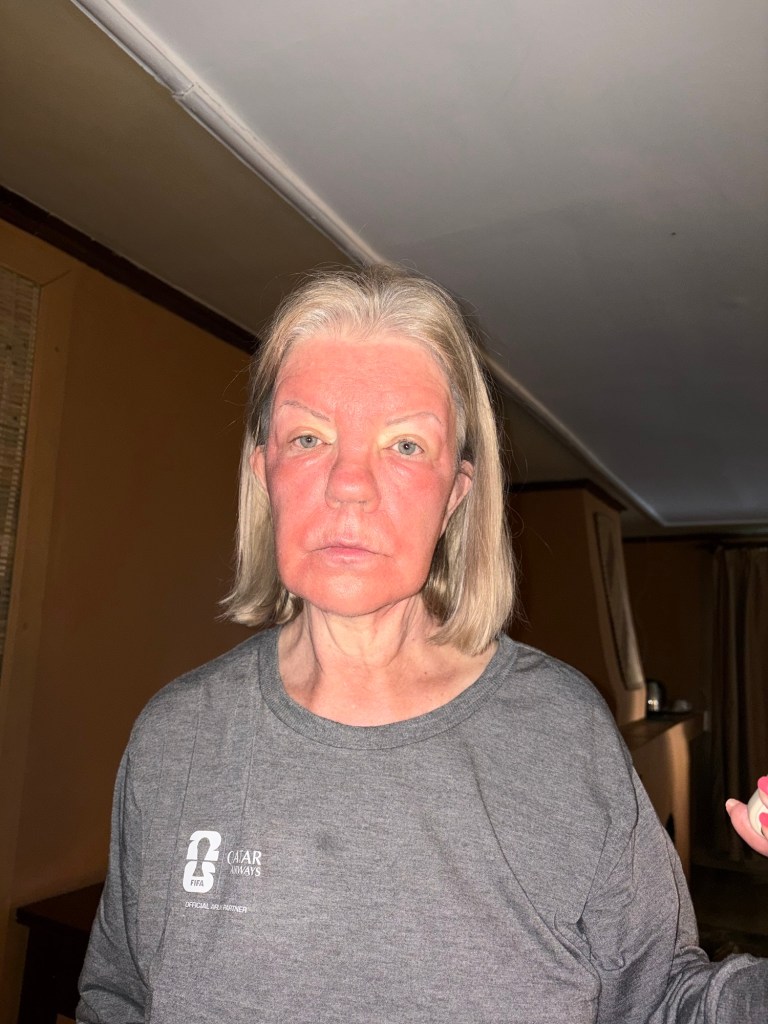
On Sunday morning, I insisted that the guide take me to urgent care because it was clearly not a sun burn. This is where he took me:
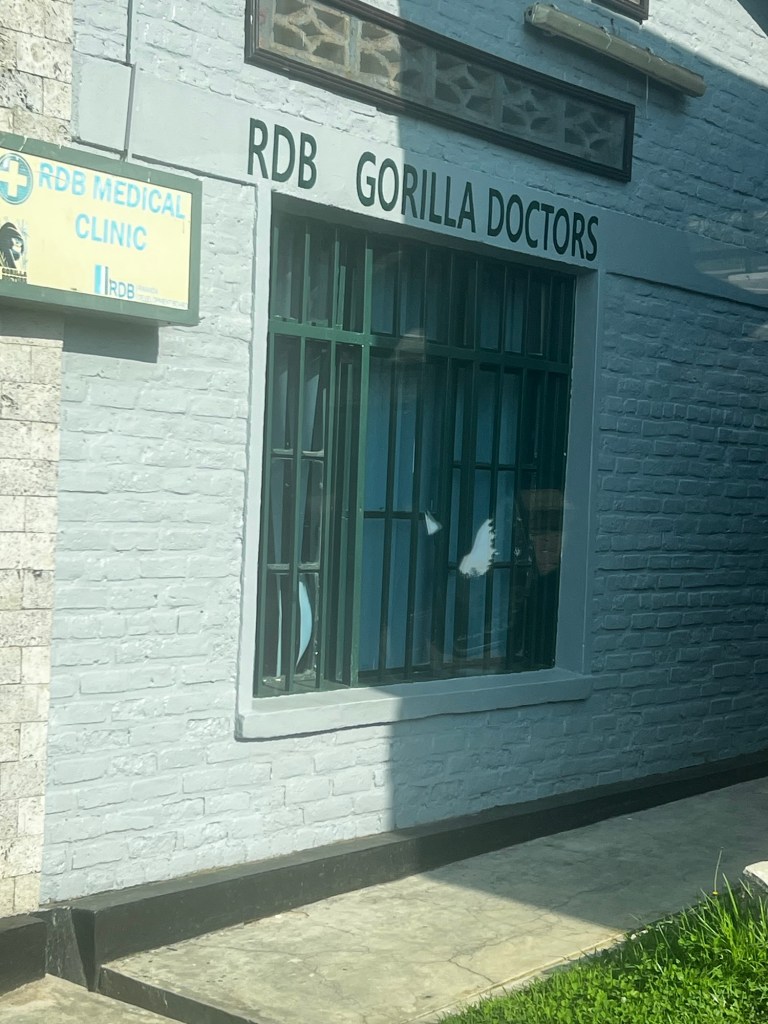
My guide had called ahead and we drove to the National Volcano Park where this urgent care was located. This is the place where hundreds of people cued up for treks to hike in to see the mountain gorillas. The doctor gave me a quick conference call by phone and prescribed a medicine called Intamine. Initially it looked better but by Monday morning it looked worse and was spreading down my neck. By this time I was in Kenya.
A lengthy conversation with Chat GPT at 5:00 AM resulted in the information that I was given a medication for itchy skin and I did not have itchy skin so it probably made my skin worse. He told me to go to the front desk and tell them that I had to go to the hospital.
I called our guide Josh and he arranged for a man named David to take me to the hospital. Lo and behold I knew David from my time here 2 years ago. David had spend the day with me, Andy and Therese touring Nairobi and teaching us how to eat with our fingers and yugali spoons.
To make a very long story short. My doctor’s visit at the hospital cost $18 and 4 prescriptions including 2 courses of IV steroids with 10 different medicines cost me $10. Not kidding! I was only there a little more than 2 hours. My face is much better and people don’t stare. I have so many medications that I had to make a chart. All is good and hopefully the end to the “ugly.”
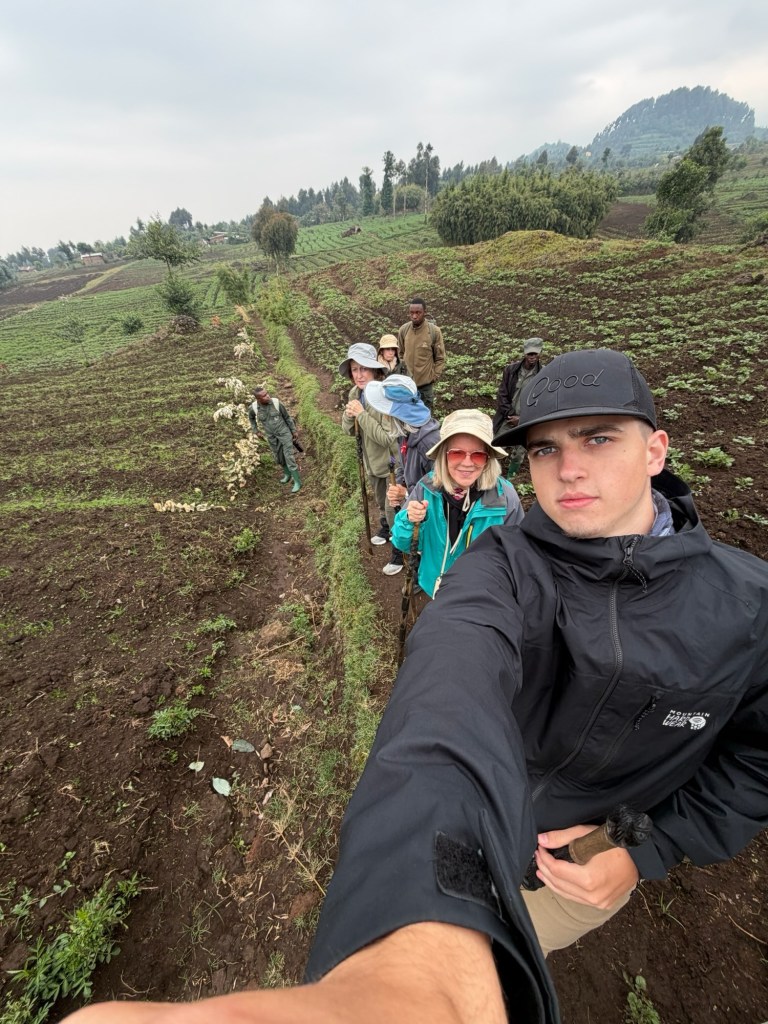
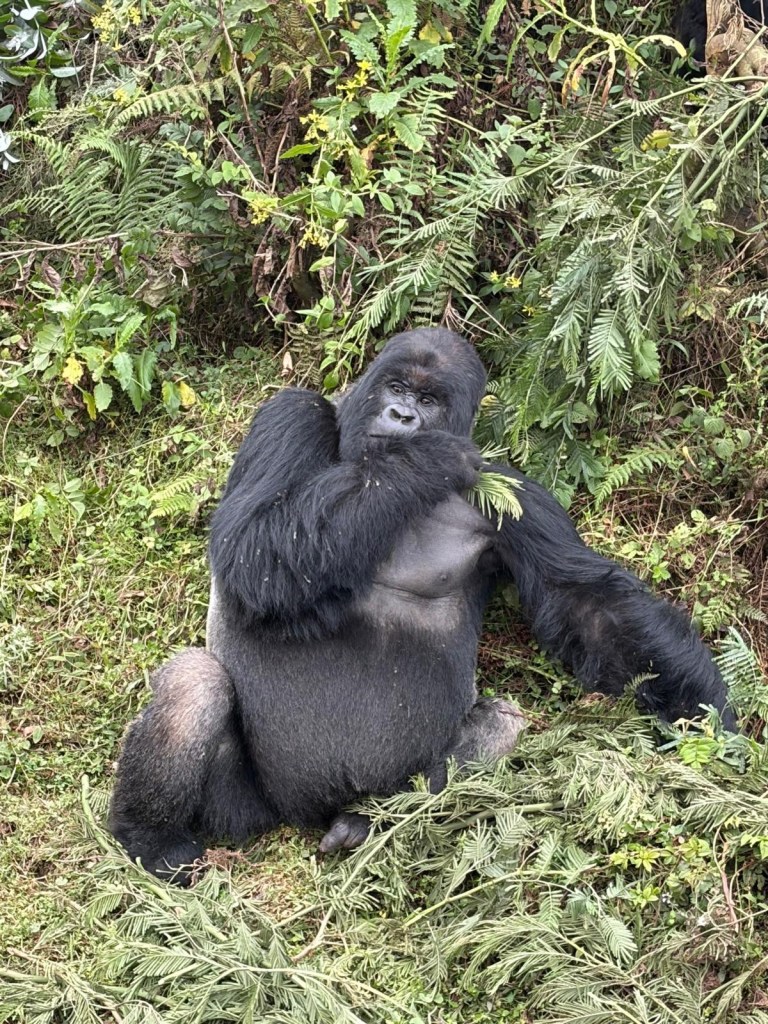
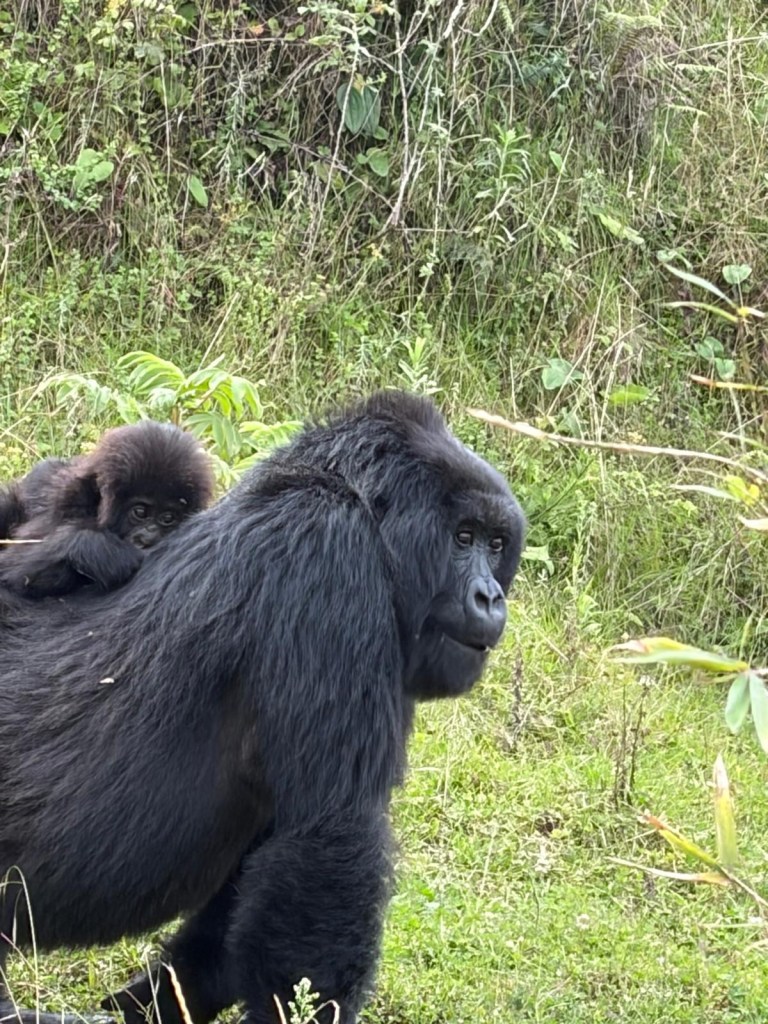
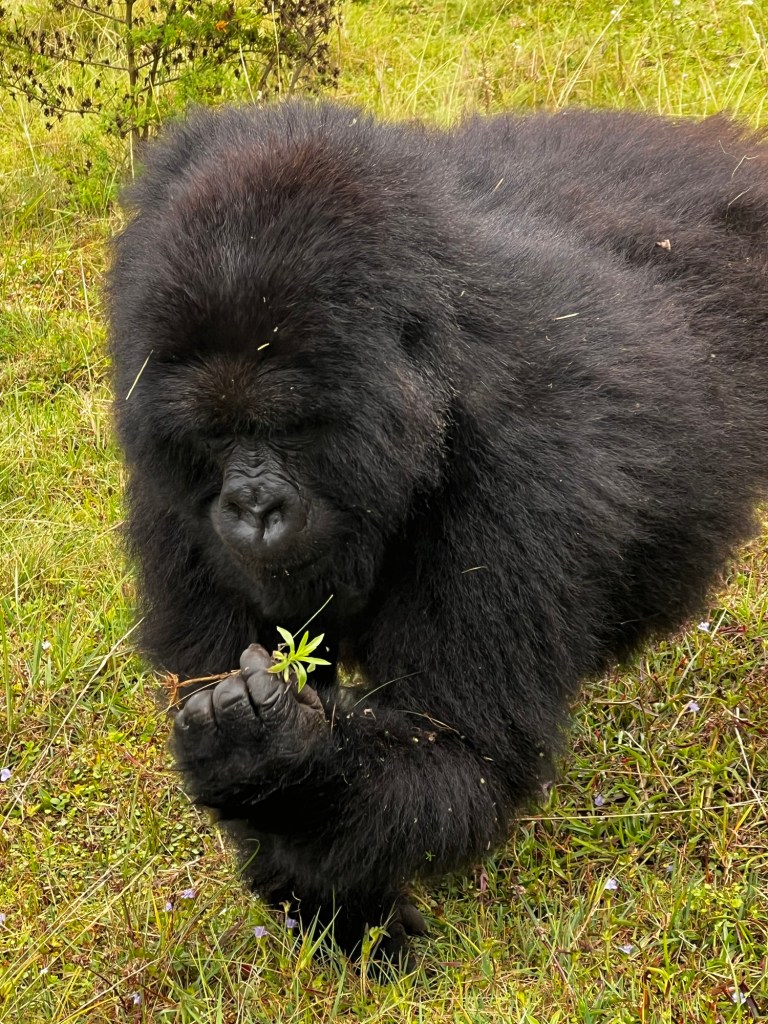
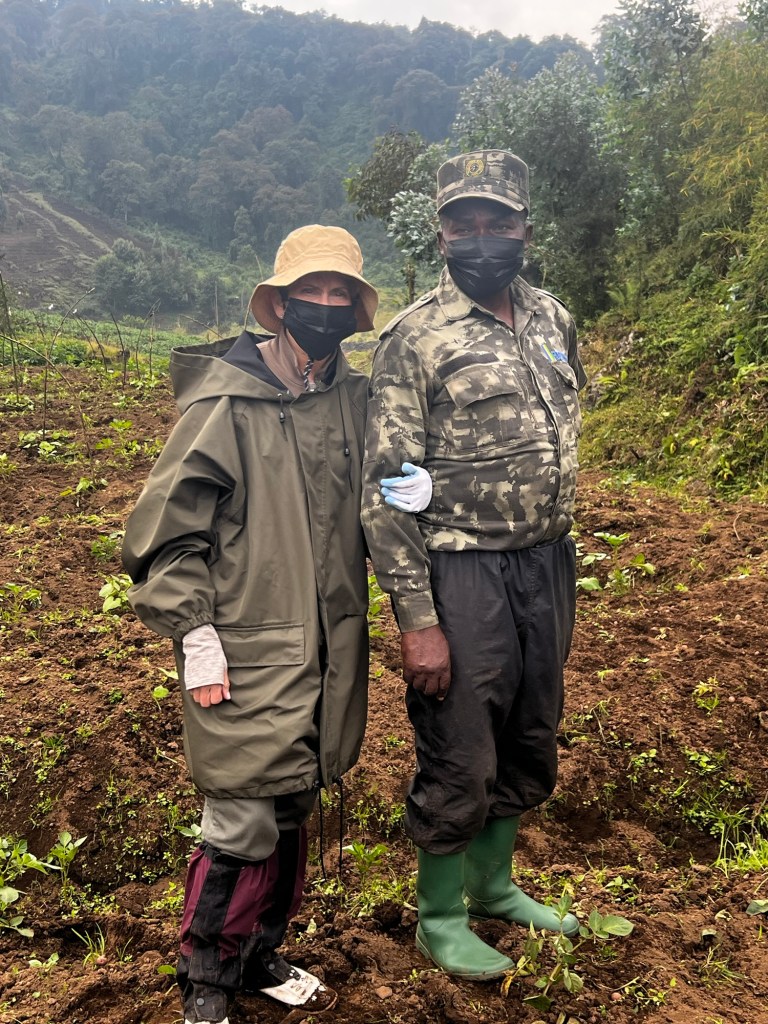
Now comes the “good” or should I say the best thing that I have ever done in my life. Yes, Martha Cole, Meredith was right. We left our lodge at 6:00 AM on Saturday morning after being outfitted with boots, gaiters, gloves and rain ponchos. All this to keep the red ants and stinging nettles away. We were given the option of an easy trek, a medium trek or a hard trek. We choose the easy trek, thinking the obvious, that it would be easy. Wrong! Easy meant the shortest time. The hardest trek might have tracked the gorillas over miles of fields or meadows but the easiest was up and down mountains, through jungles on a trail made by our Machette Man, up and down slippery, rock strewn paths. This was no easy trek and in fact, it was the most difficult thing that I have ever done. Thank goodness we had porters that took our hands and helped pull us up the trail. But the worst was coming down. We eventually met up with our family of 15 mountain gorillas making this horrible trip well worth it!
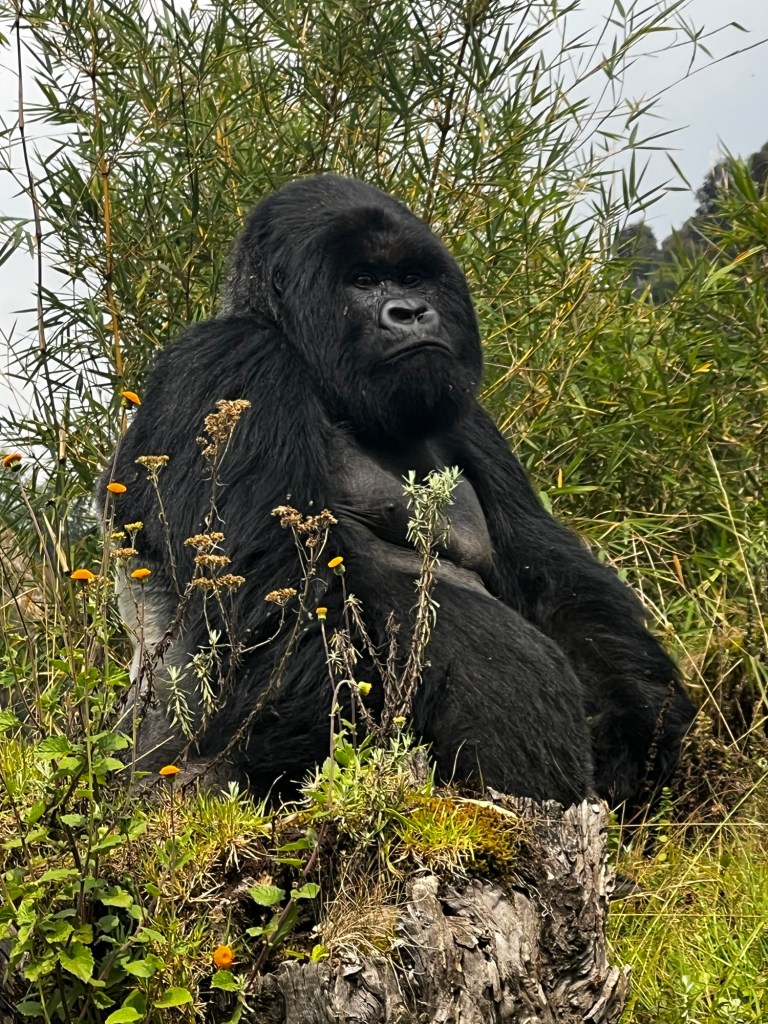
We spent a total of 1 hour with these gorgeous creatures. Before I talk about that, a little about the trackers who spend 6 months at a time with a family. After we left the gorillas, the trackers would be with them for the rest of the day watching until they made their nest for the evening and went to sleep. They would be there before dawn so they could follow the gorillas when they got up. The trackers would call down to where the hundreds of hikers were lined up and the leader was notified where the gorilla family was. Of course, it took a lot of time to get to the mountain, climb over the mountain, though the fields and down the mountain, and of course the gorillas don’t stand still waiting for you to arrive. More walking to see where they went but when you do find them there is no words to describe that feeling. Our main guide tried to keep us together as much as possible but was not very successful. He was very skilled that you did not get too close and did not have interaction with some male gorillas that could be feisty. You would be standing there watching one gorilla when another one would come walking behind you.
The following are some fabulous shots that were taken:
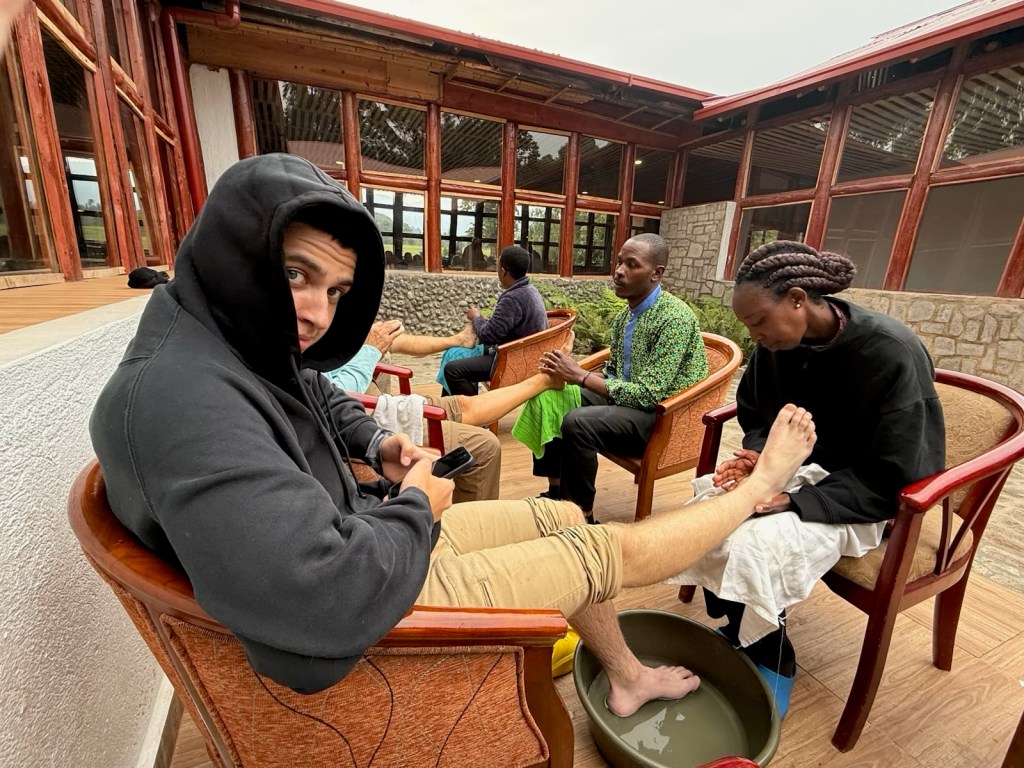
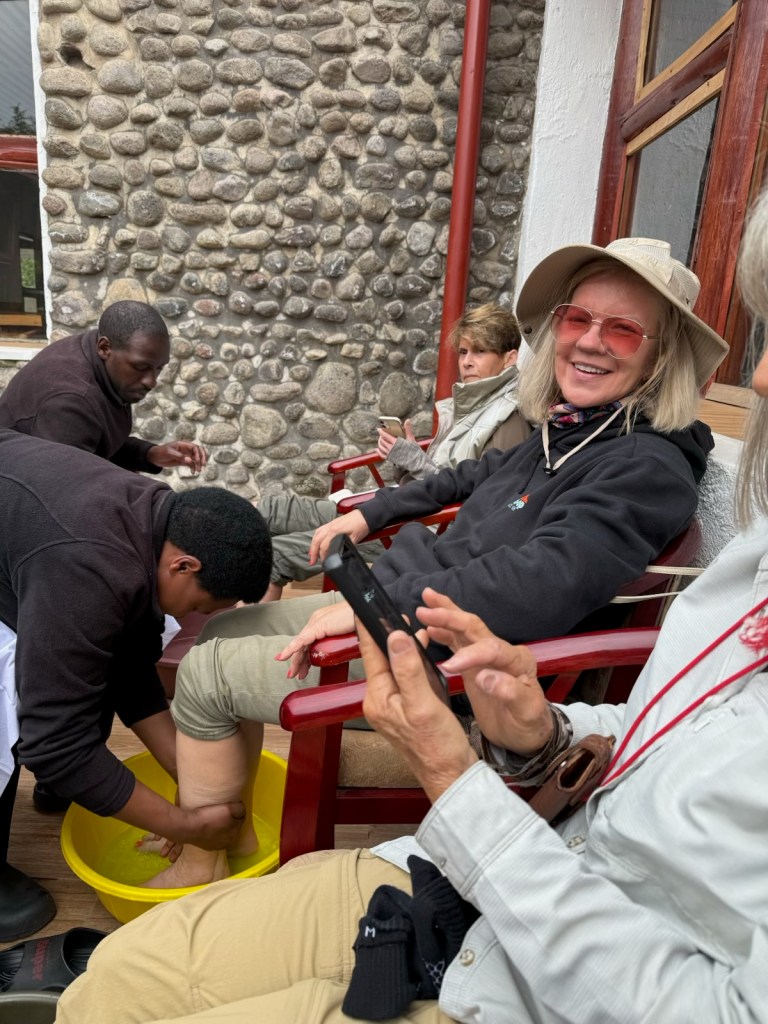
After spending 1 hour with the gorillas, it was an easy way out as our guide was waiting to take us back to the hotel. When we arrived we were all given foot massages. Afterwards they took our shoes and washed and dried them. Mine looked as good as new.
Now on to the bad. The Rwanda Genocide was a mass killing of 1,000,000 mainly Tutsis and Hutus, who refused to participate in the killings. Tutsi and Hutu were not tribes as we all thought. They were social classes. The Tutsi were cattle farmers who must own at least 10 cows to be called Tutsi. The Hutu were farmers. The Hutu could be come Tutsi if they could get 10 cows. In other words they could move between classes. After the war Belgium was given Rwanda after the Germans lost. They immediately issued identification cards to all Rwandans with them either being classified a Hutu or Tutsi. There was no more moving between classes. Tutsi became favored in the government. This is what started the animosity between the Hutu and Tutsi.
After Rwandan independence in 1962 the Hutu came in power due to their vast numbers as compared to the Tutsi. When the Hutu government began ruling and began verbally attacking the Tutsi the Belgium government basically turned a blinded eye to the ethnic discrimation and violence. The government began referring to the Tutsi as cockroaches. To this day the Belgium government is still blamed for ignoring what was to come.
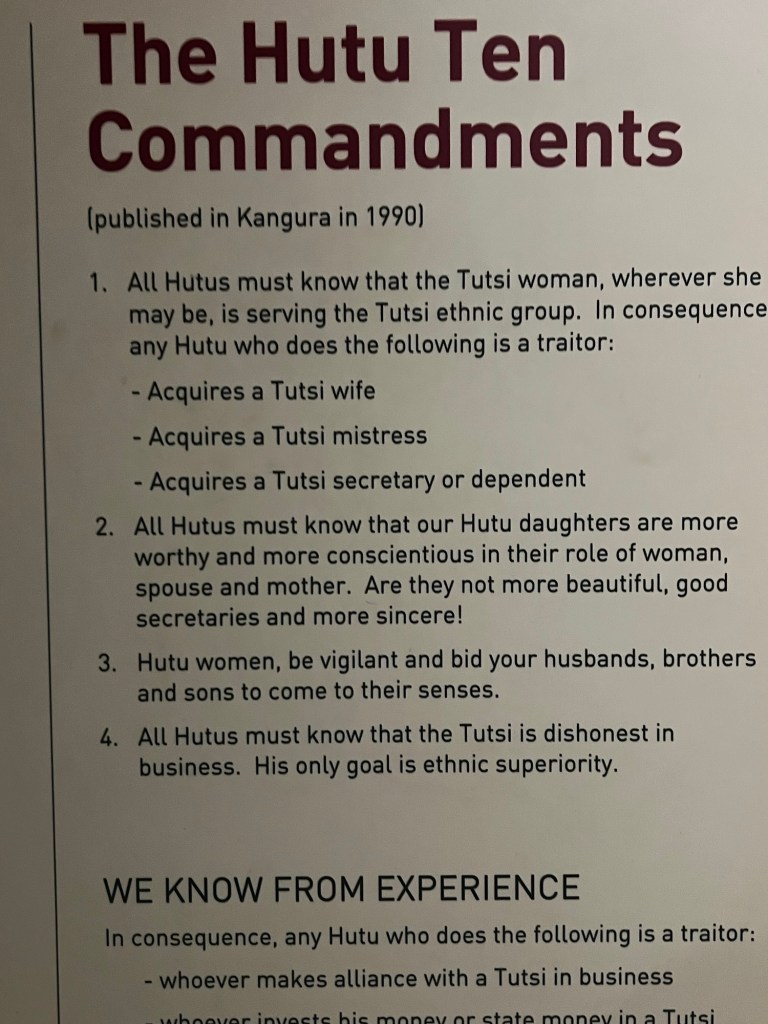
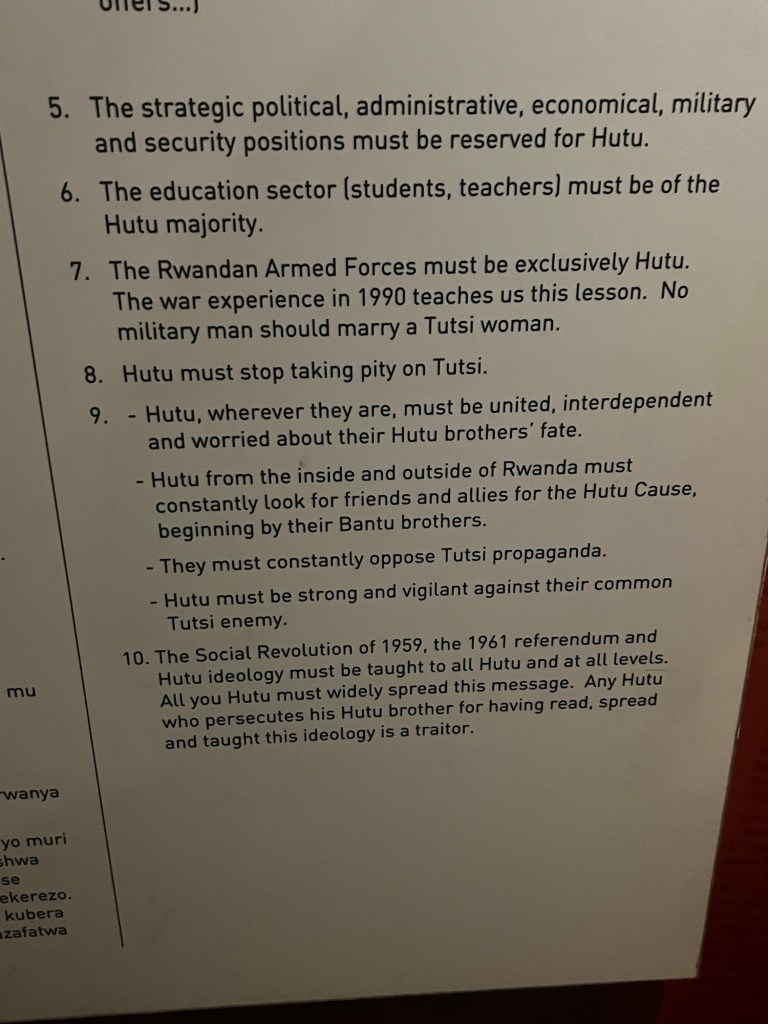
On April 6, 1994 a plane carrying the President of Rwanda was shot down. The Hutu blamed the Tutsi (even though it was never proven). On April 7, 1994 the Hutu government used the killing of their president as an excuse to kill the Tutsi. Between April 7 to mid July 1994 approximently 1,000,000 mainly Tutsi and Hutus who refused to participate were violently killed. Neighbors killed neighbors. People went to churches for refuge and they became massacre sights. We visited a church where more than 45,000 Tutsi were murdered. The atrocities that the Hutu did to the Tutsi were much more than just simply killing, especially to women. It is unspeakable. It ended when the Rwandan Patriot Force (mainly rebels) defeated the government and took control. Millions of people fled Rwanda to neighboring countries, including victims and perpetrators, contributing to instability in the region for years. We met one woman who was a refugee for 16 years. She said that there was no communication with Rwanda so they had no idea that it was safe to return home.
What has happened in Rwanda since then is nothing short of remarkable. They have invested heavily in reconciliation efforts and we toured numerous places all with the theme of we never will forget but we need to forgive and move on.
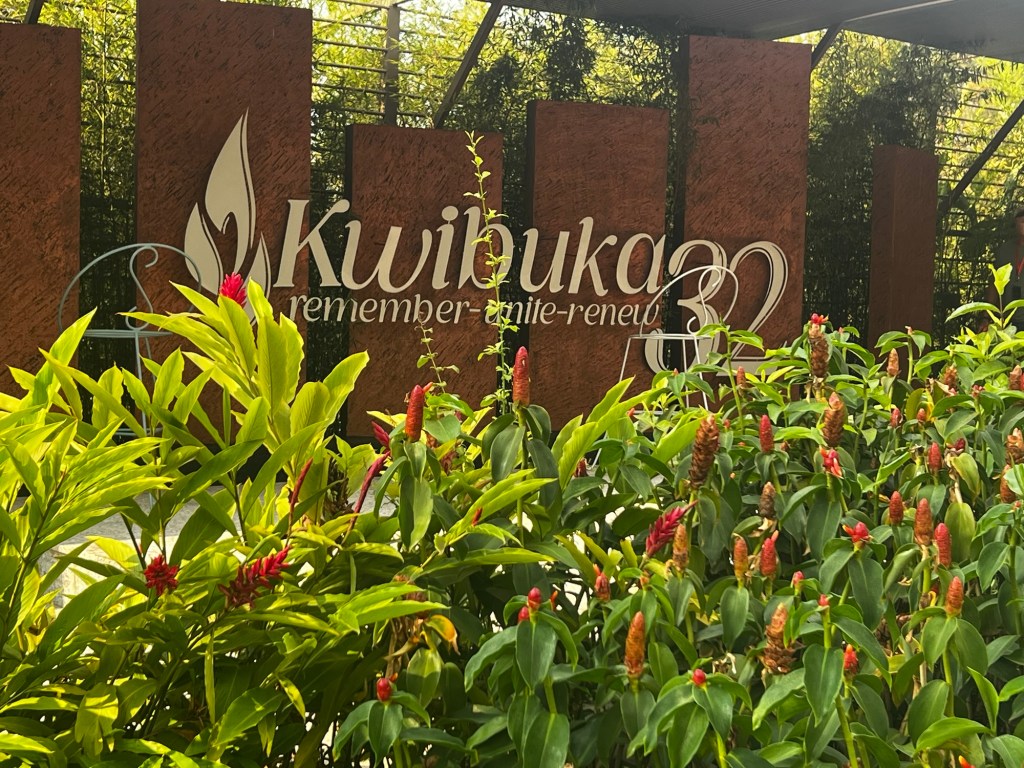
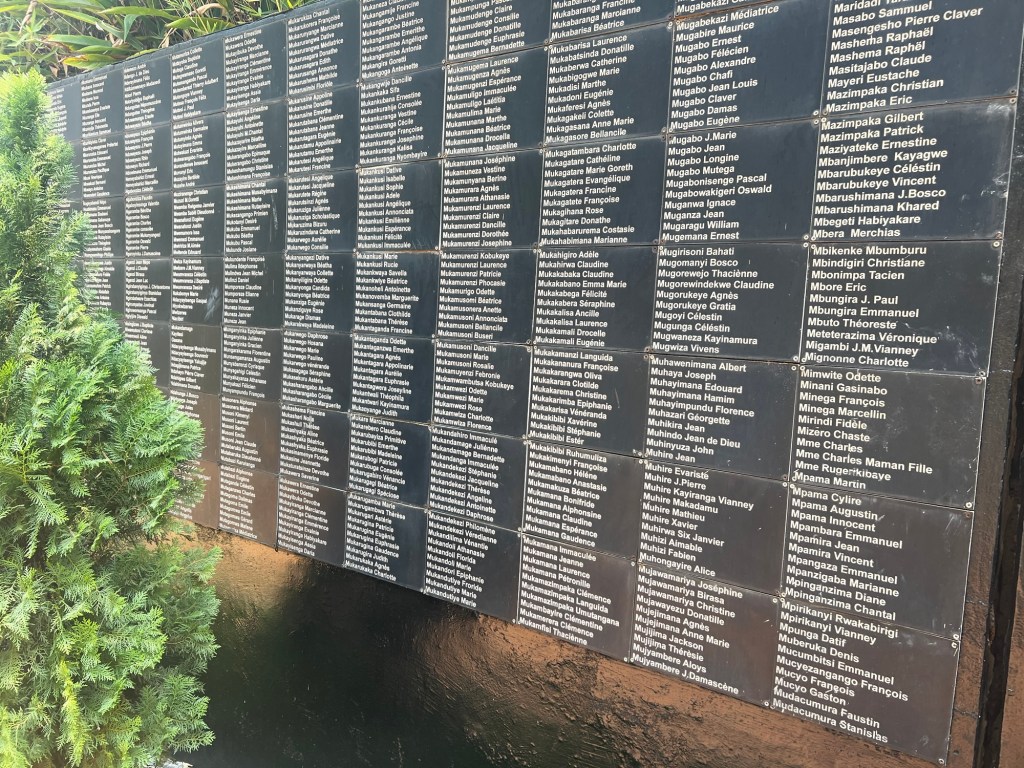
When we went to village were met with some of the elders and members and what was most significant were two residents who spoke of forgiveness. One was a Hutu man who briefly participated in the killing before he ran away and another was a woman whose husband was killed by the Hutu. It was a tearful experience.
Rwanda is a beautiful country. I was most impressed about how the entire county is involved and interested in how their county is being run. 51% of their government are female elected officials. Even in the village we visited, they all said they go to local government meetings to keep informed and involved. In less than 30 years this country has gone from being destroyed to having a thriving economy, construction everywhere and the kindest, most welcoming people.
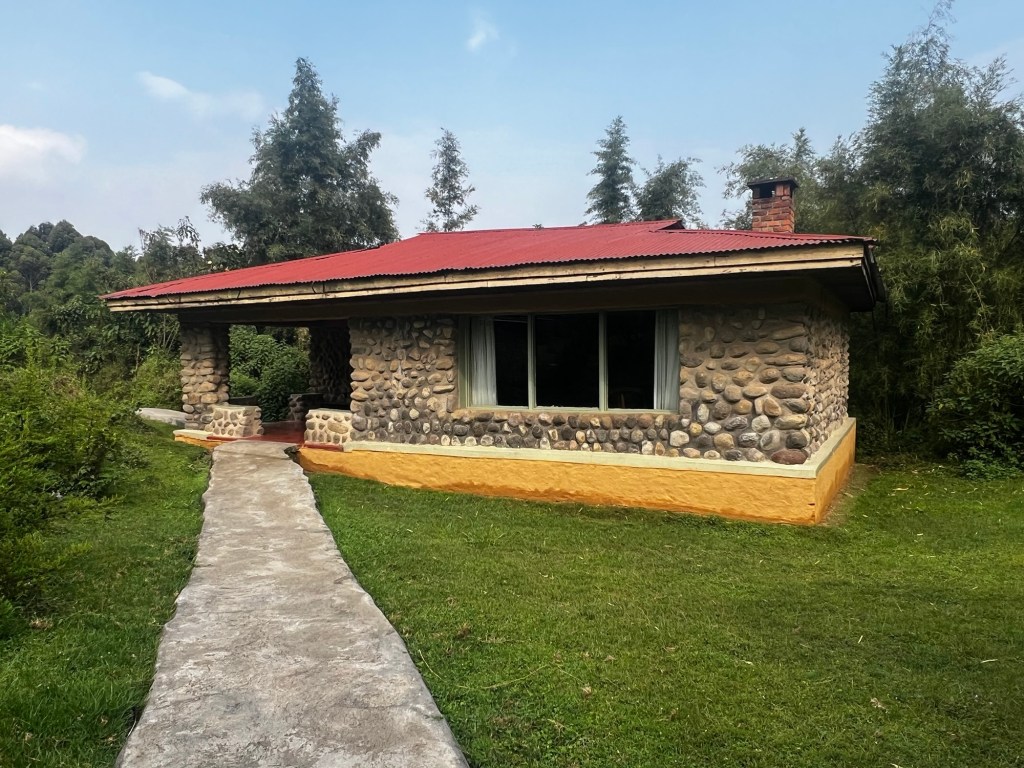
I know I will return someday.


Leave a Reply