The Kibera Slum is about 4 miles south of Nairobi and has approximately 1.4 million residents in a very small area. The residents live in small densely packed homes made out of corrugated metal and a hardened mud/clay type of material. There is no running water or bathrooms in these homes. Residents have to pay a monthly fee to use a communal bathroom and shower facilities. If you do not pay, you can’t use the facilities. Use your imagination.
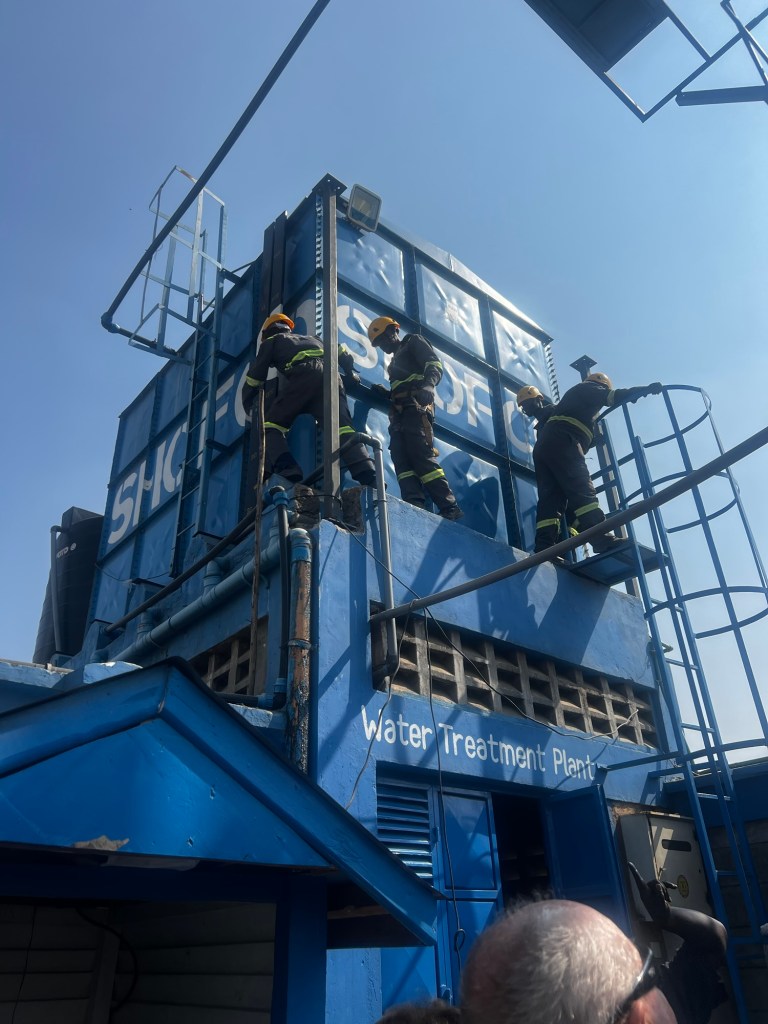
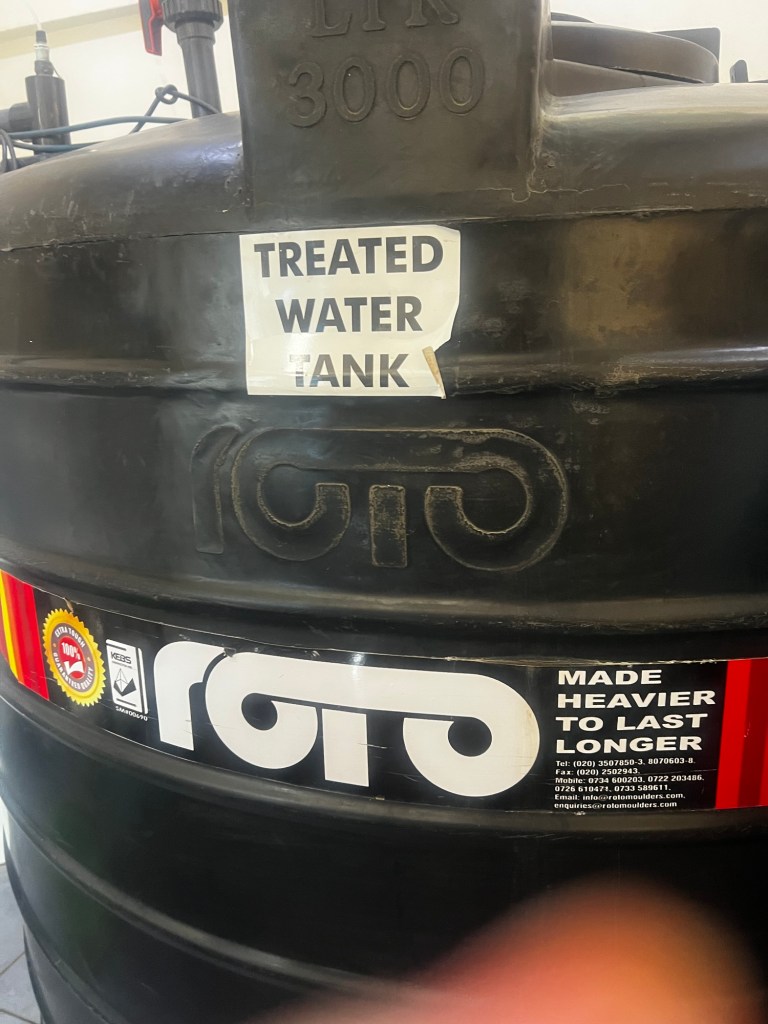
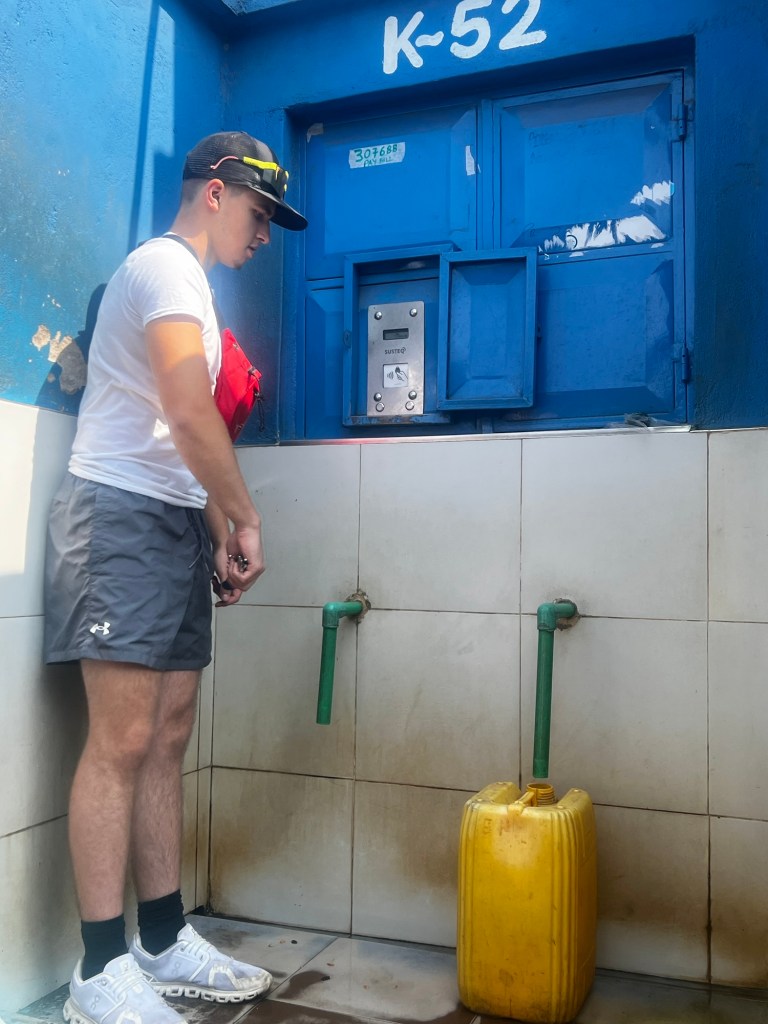
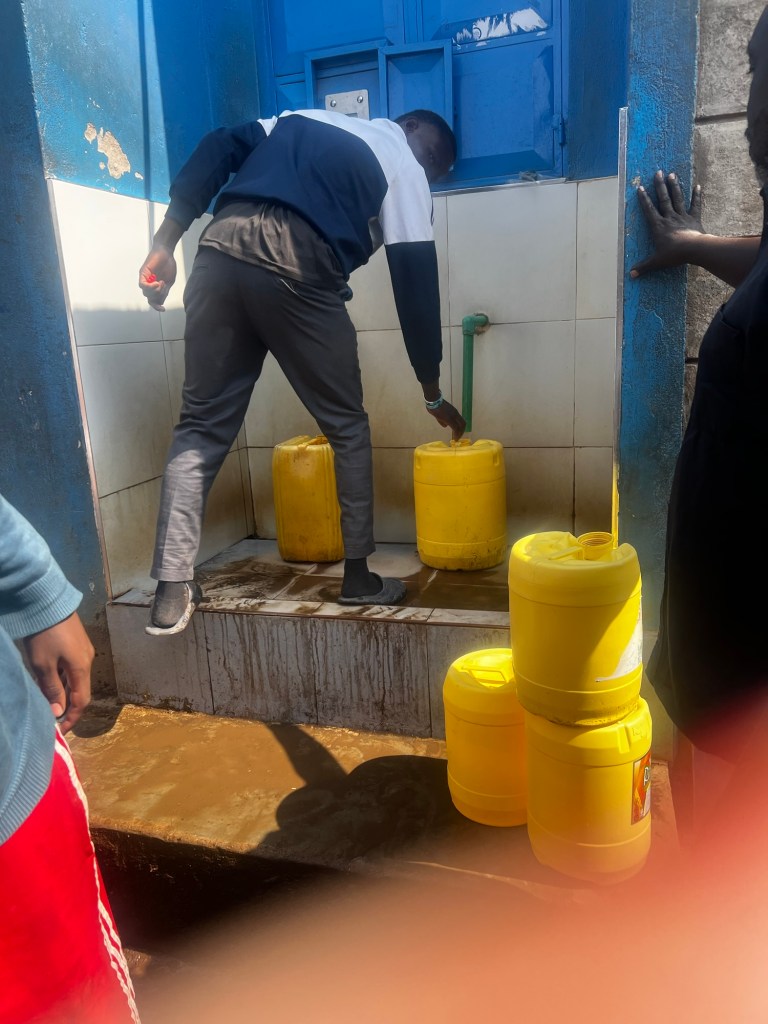
This is the second time that I have been in the slums. There have been many improvements yet many things remain the same. They now have clean, filtered water available for a very small fee. Through private donations (and not the Kenyan government) a water treatment plant was built.
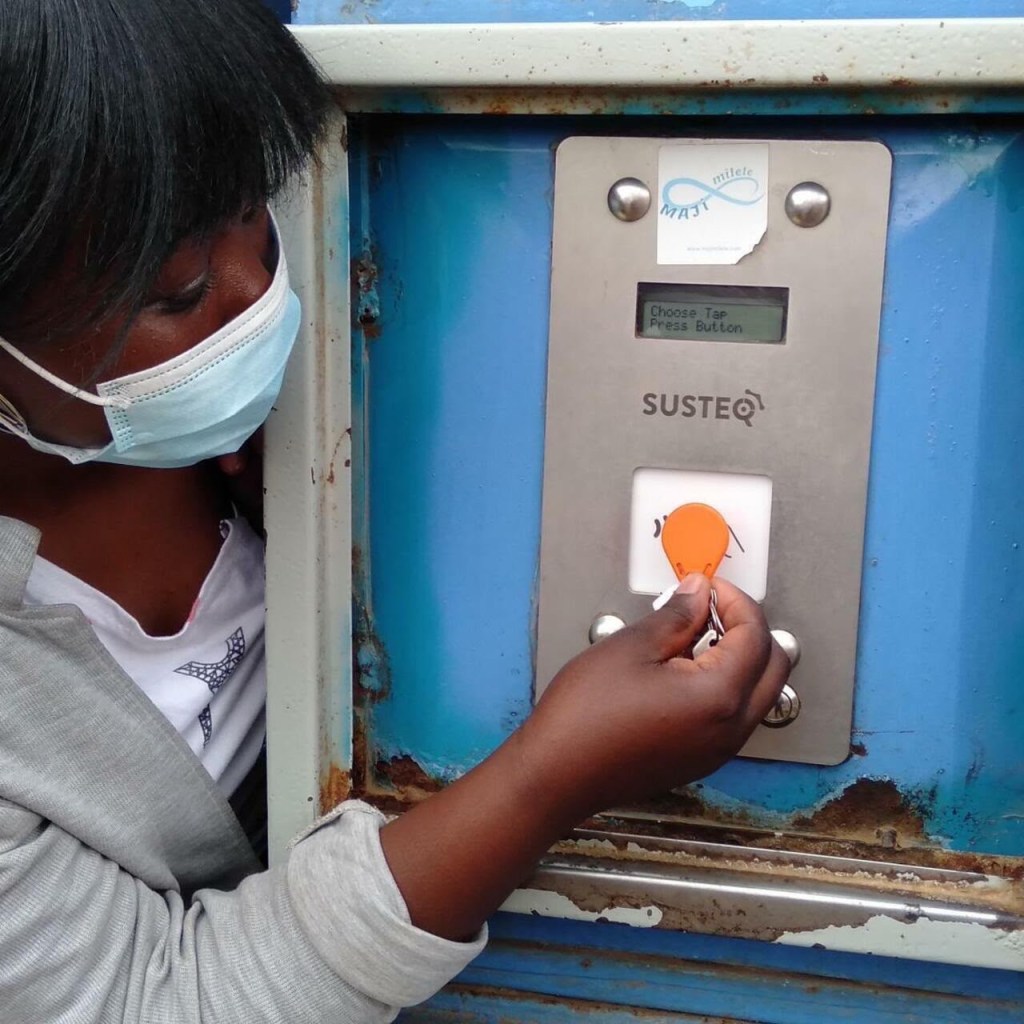
To purchase the water you buy a small microchip tag to release the water in 20 liter increments. Below is Braydon demonstrating how to buy water.
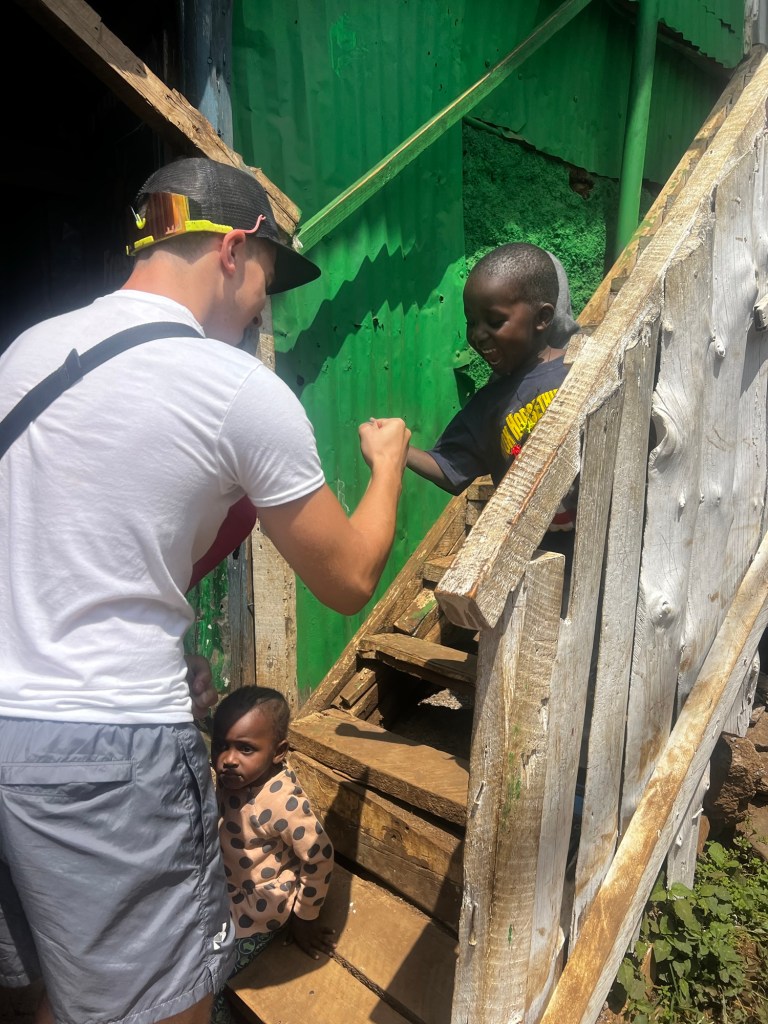
If you know Braydon, he makes friends where ever he goes and the Kibera Slums was no exception.
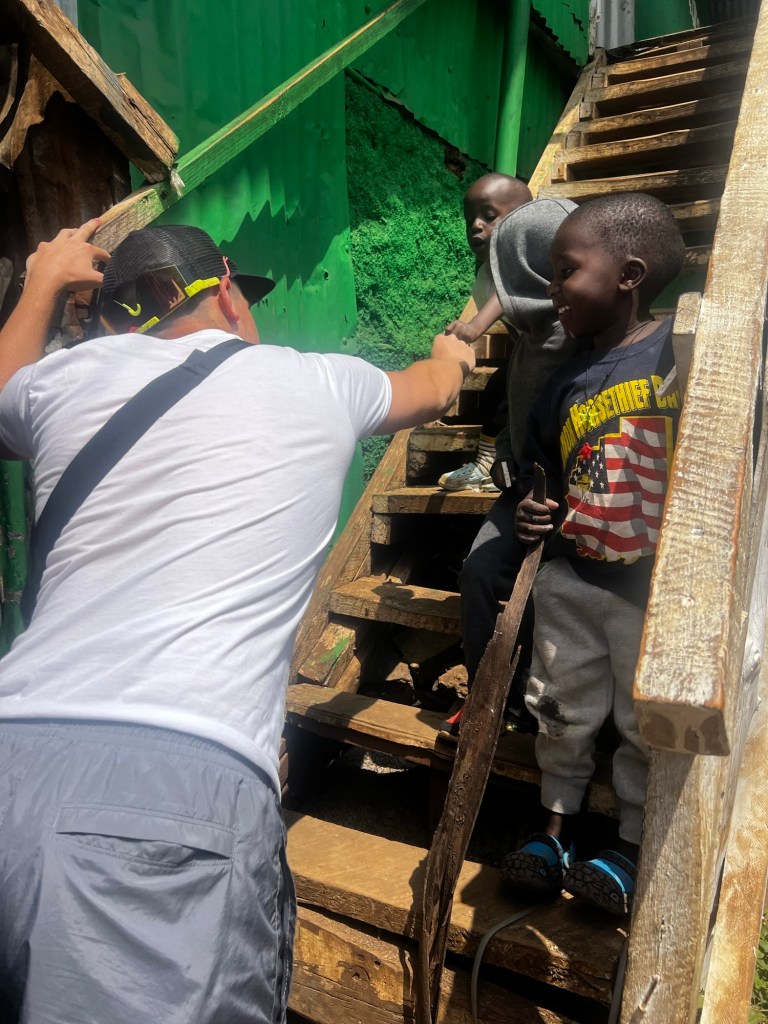
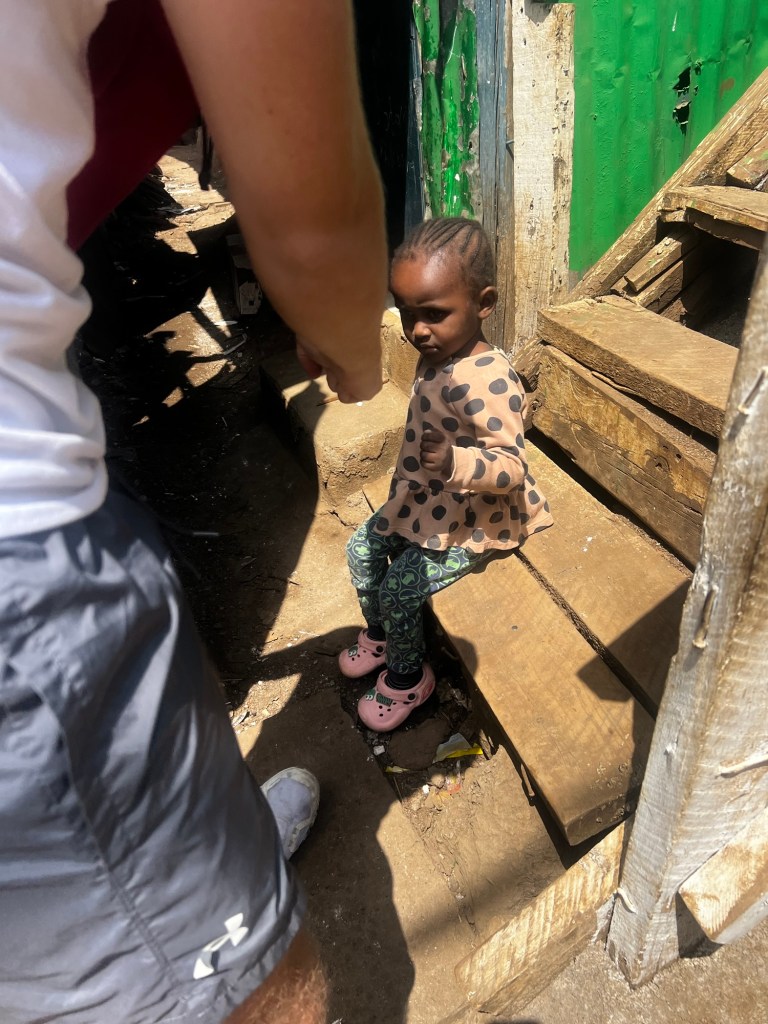
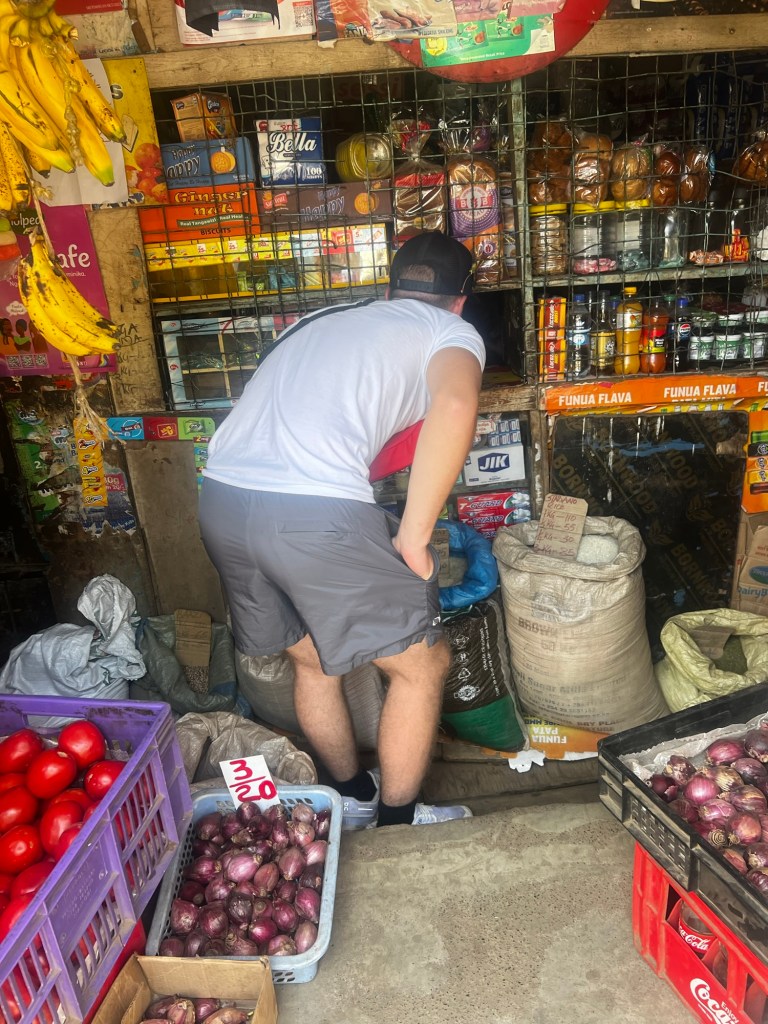
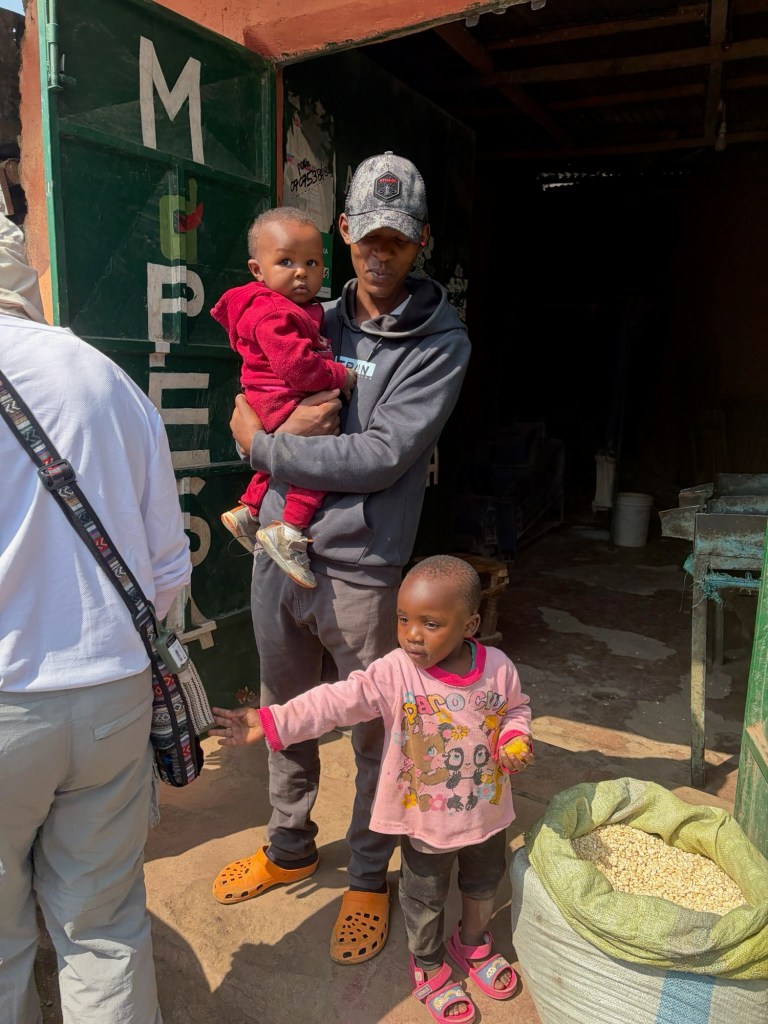
Our next experience was to visit one of the families in their home. First, however, we needed to buy gifts. Each of us was given the name of consumable product in Swahili and we went to the grocery store window and asked for the product. My product turned out to be pancake mix. Below is Braydon getting maize.
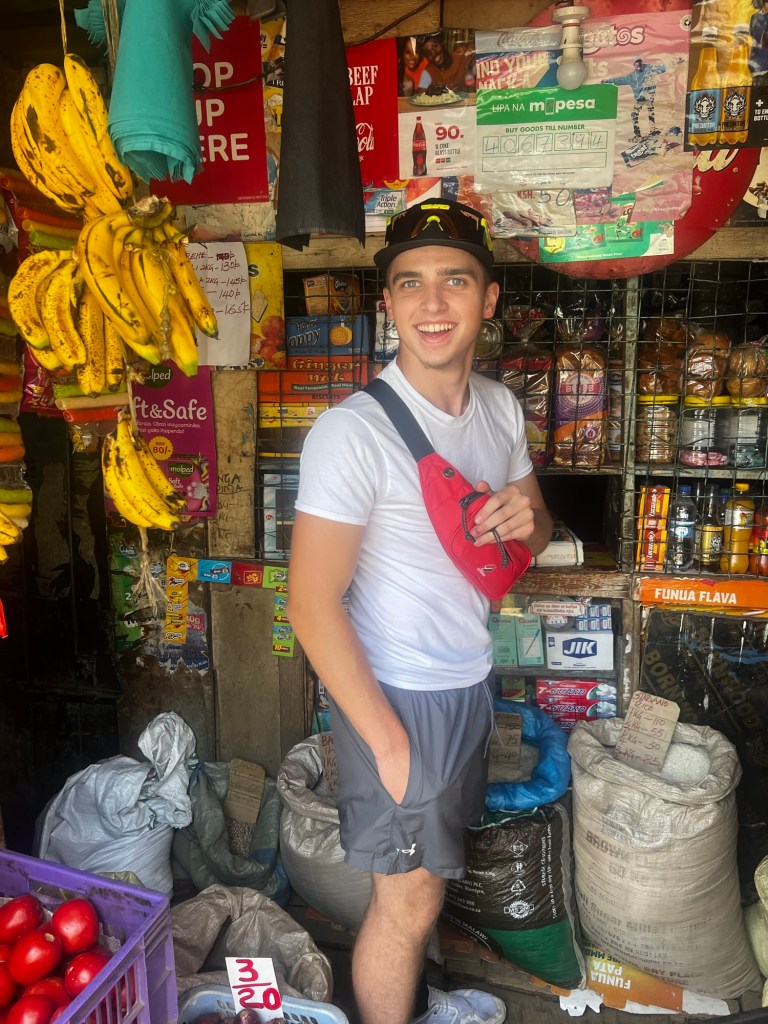
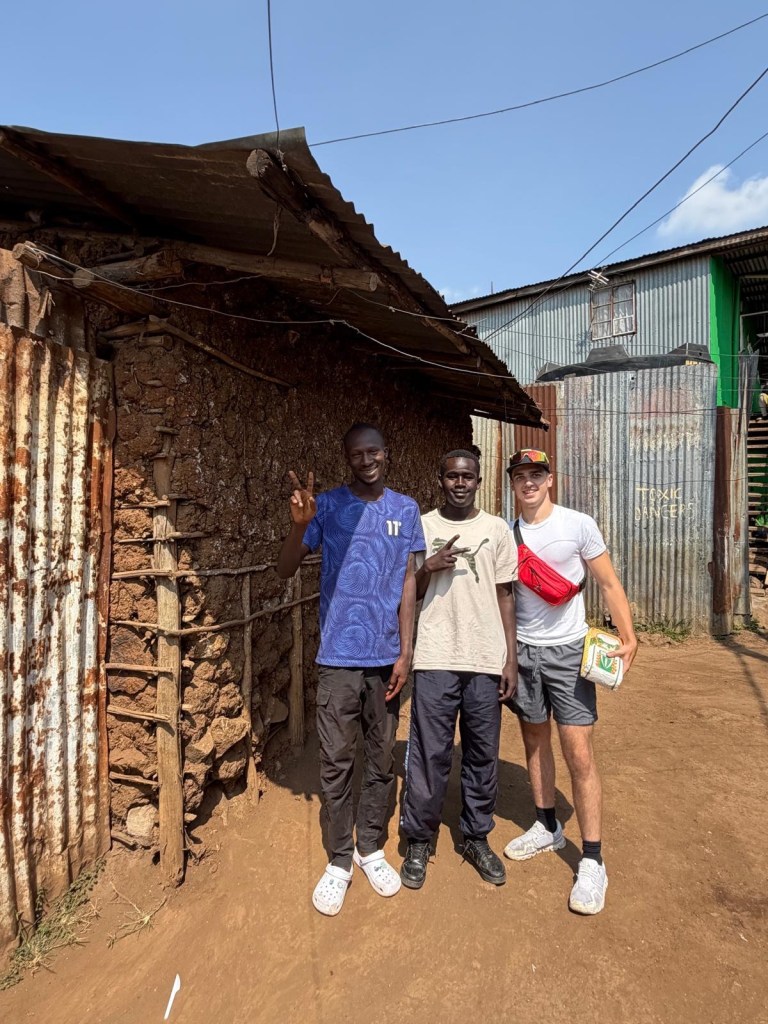
After we made all our purchases we went to the home of Blackie, our guide in Kibera. He discussed with us the hierarchy in the community. To be an elder you must be at least 90 years old and basically you run the community. People like Blackie are “elders in training” and basically are the eyes and ears for the elders who are no longer able to get around the community. Blackie’s daughter was in the house and was very interested in Braydon after Blackie asked him how old he was. After the picture below was taken Blackie commented that Braydon’s mother would have to pay a dowry if he wanted to marry his daughter. I am normally the one to get marriage proposals on these trips. I believe I have been replaced.
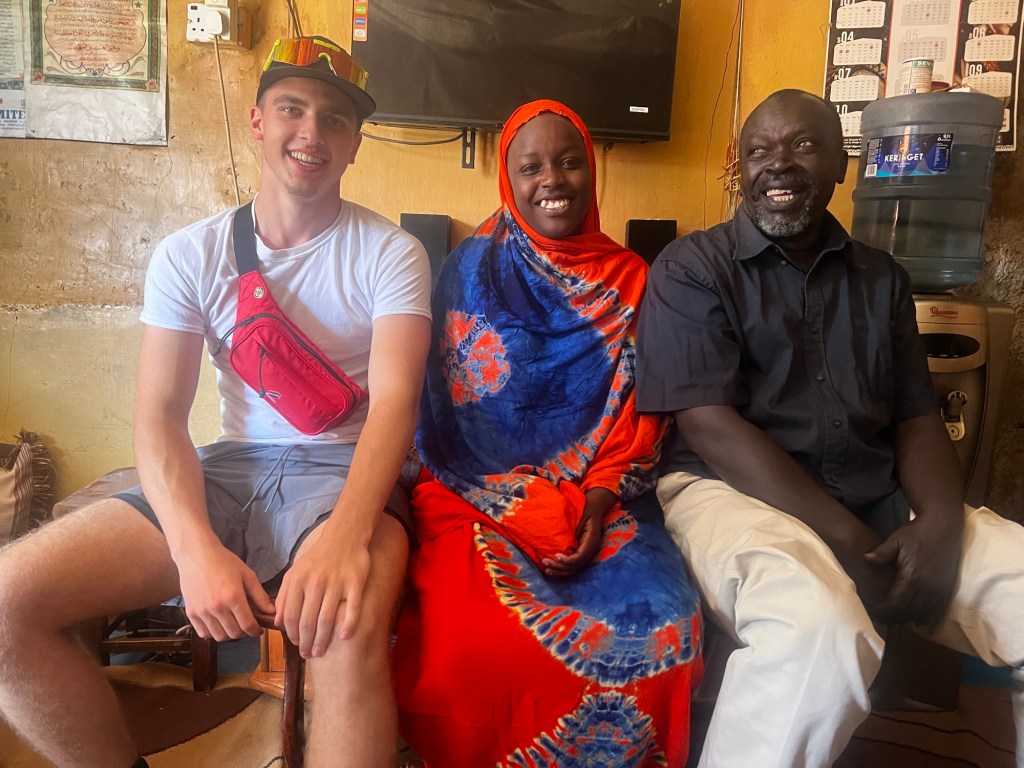
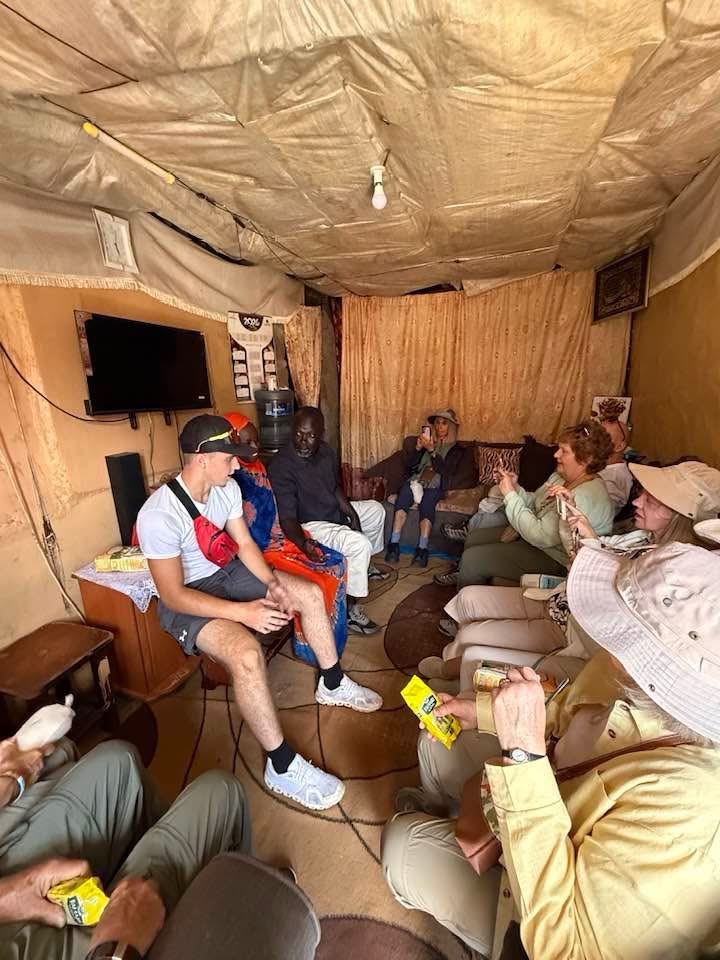
After our meeting with Blackie our group split in two and we each went to the home of a local resident. We met with Judith who has three boys. Two were in school (that is paid for by the parents) and the third was 2 1/2 and still at home. Judith said that she supports the family by having a shop that sells candy. She said that she buys the candy at the wholesale price and then resells it. She takes her son to the shop. The family lives in one room. There was no electricity as there was a blackout. The parent’s room is divided by a sheet. The youngest sleeps with them and the two older boys sleep in the tiny living room.
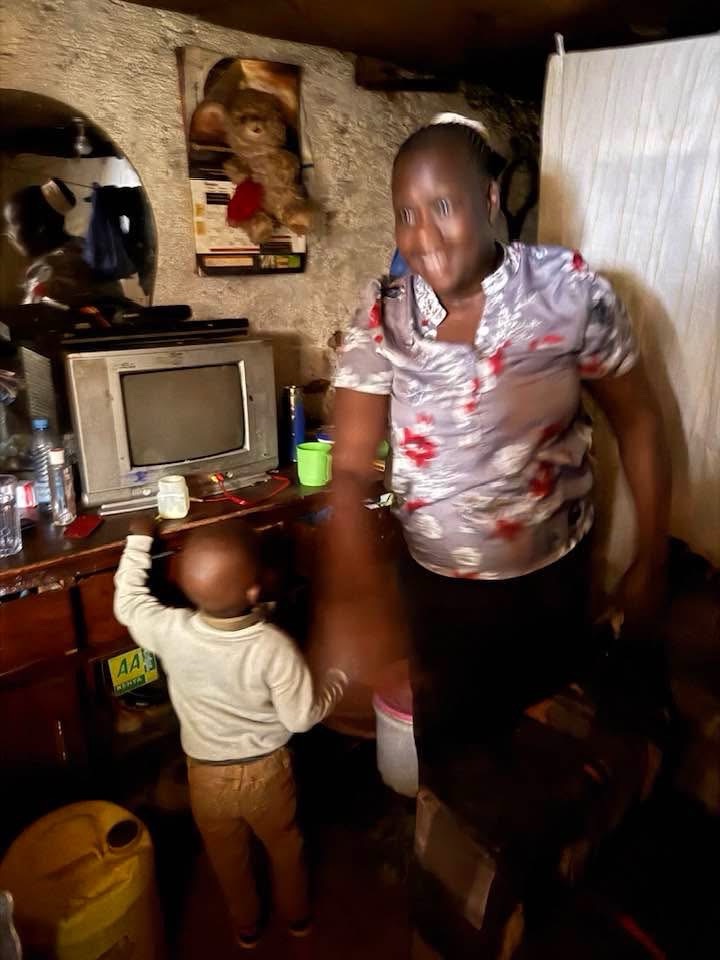
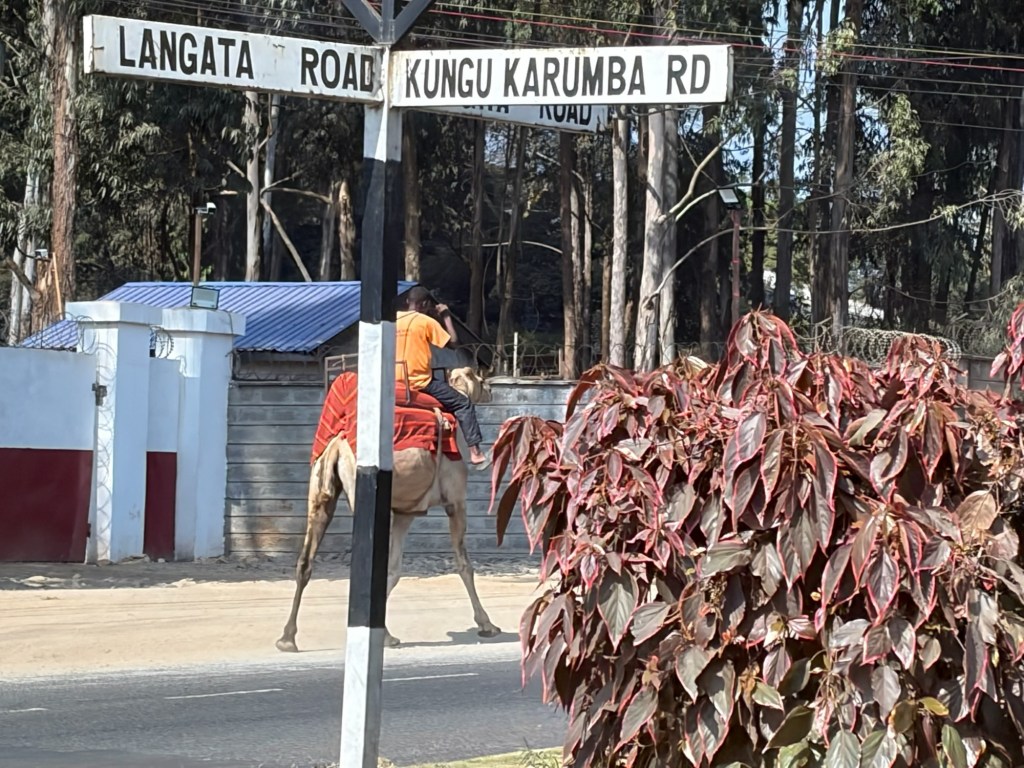
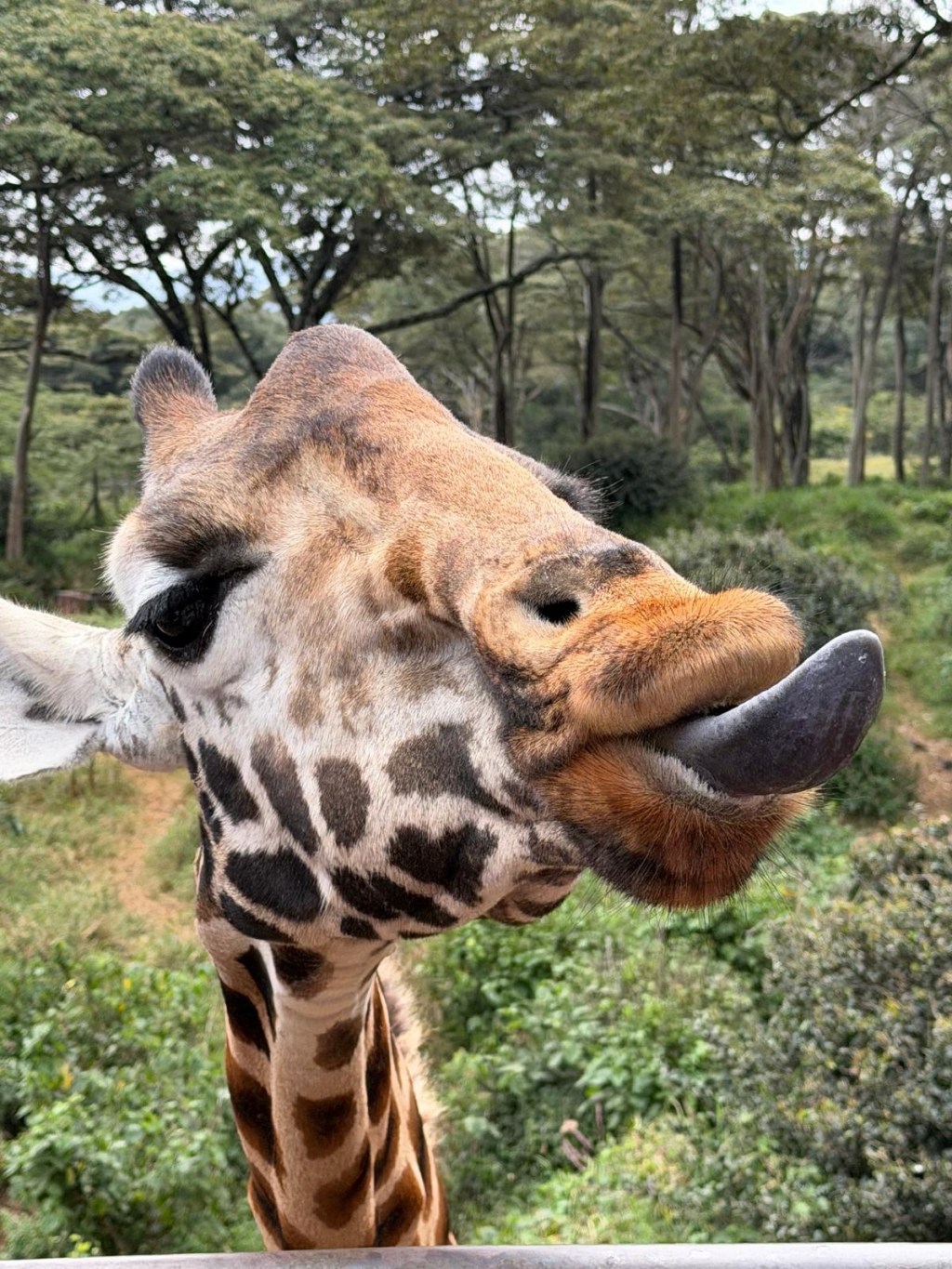
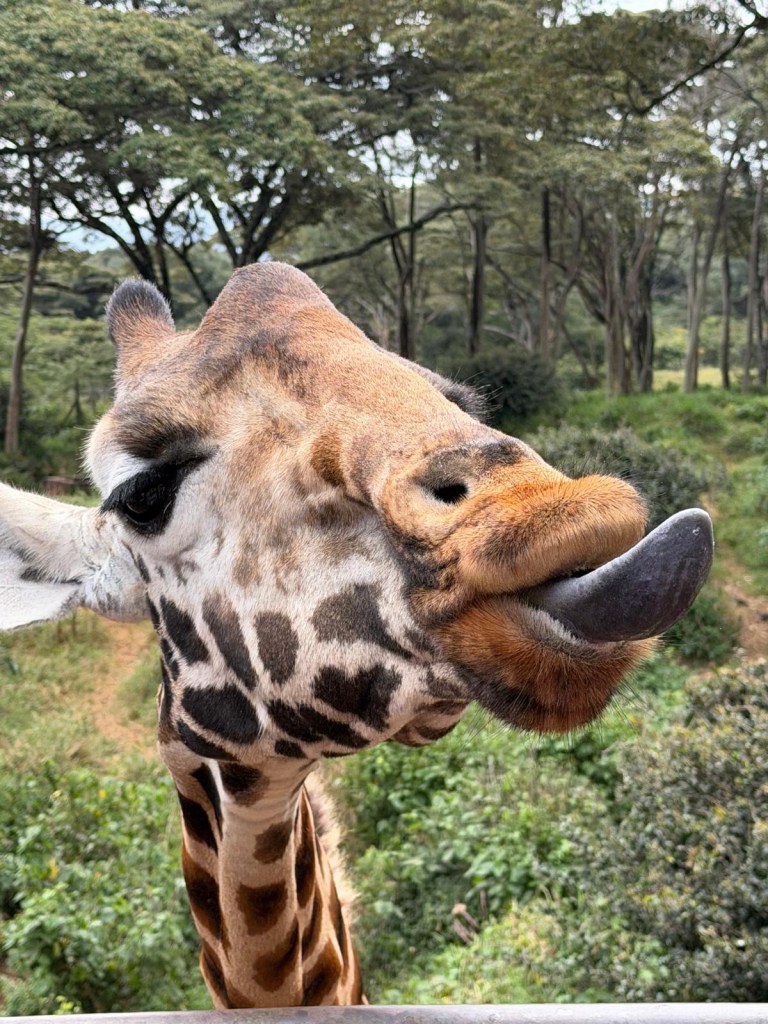
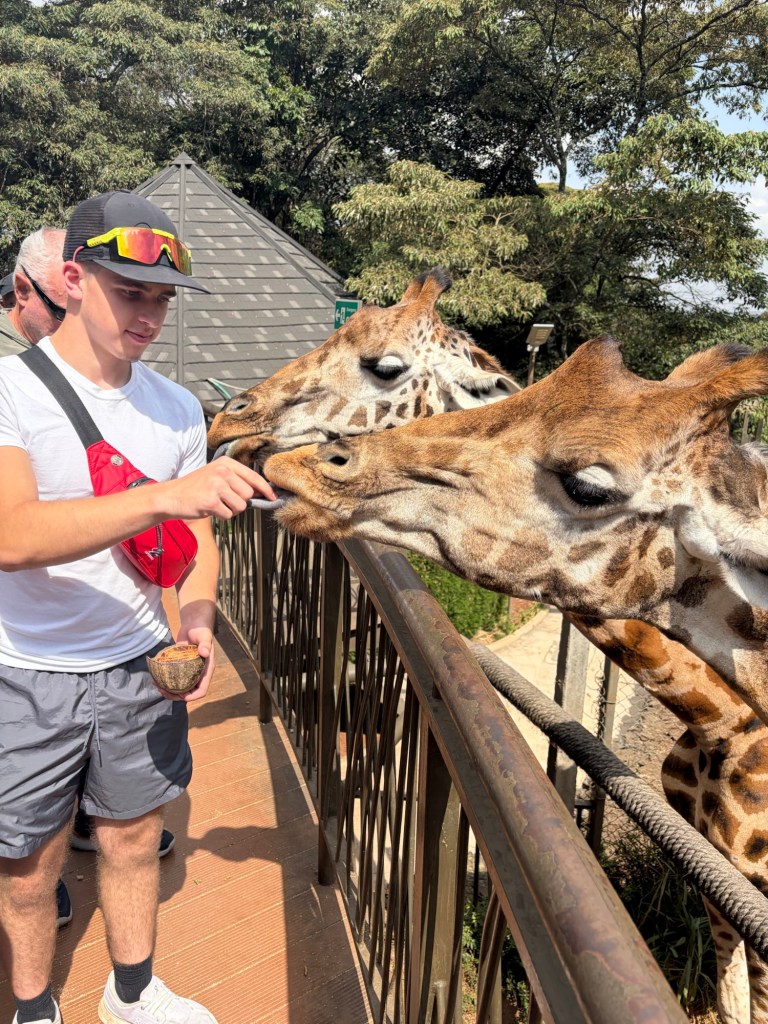
After our enlightening experience in Kibera we made a stop at the Rothschild Giraffe Center. These majestic animals are found in Kenya and Uganda and are an endangered species. They have a breeding program there. The offspring are released into the wild at age 2. And why age 2? Because they are still short enough to fit underneath the bridges in the transport vehicles. A Rothschild giraffe and grow up to 19 feet and one of the tallest giraffe species.
Today is our last day in Nairobi. At 6:00 AM tomorrow we leave by bush plane to the Maasai Mara.

 On The Road With The YaYa's
Leave a comment